

Is the market still competitive? Will buyers pay for a beautifully presented home? And if you’re considering a sale, how much work should you do before listing?

Those questions deserve a more useful answer than “the Main Line is strong.” October’s Lower Merion market reports show buyers making commitments and homes trading at substantial prices. They also leave room for an important distinction: an active market does not make every asking price persuasive.
The practical question is where your home fits among the properties its likely buyers would actually consider.
Buyers were making decisions
The Lower Merion school-district Residential Activity Report recorded 50 closed listings in October 2026. Of those, 37—or 74%—had 0–30 reported days on market. That describes marketing time among completed sales, not the time from contract to settlement. It does not tell us how quickly every home still for sale will move.
For a seller, the useful takeaway is that buyers were committing. Your launch should make the relationship between the home, its condition and its asking price convincing.
What the $1.094 million median really tells you
In that same school-district report, the median sold price was $1.094 million and the average was approximately $1.564 million. Why the difference? The median is the midpoint of the sale prices; the average reflects their combined dollar value divided by the number of sales. Higher-priced transactions can pull the average upward.
Neither number is a valuation of your home. A stone colonial with updated systems, a smaller house needing substantial work and a large estate are not interchangeable simply because they appear in the same report.
If you own a home around $1 million to $2 million, the broad numbers provide context. Pricing still starts with homes that compete for the same buyer, followed by a careful look at location, usable space, condition, setting and presentation.
Asking price, market time and the buyer pool
The report’s average sold-to-original-asking-price ratio was 100.5%. That is an average ratio, not a claim that every home—or a particular percentage of homes—sold above asking.
The pace-and-price comparison is worth noticing: the 37 closings with 0–30 reported days on market averaged 104.07% of original asking price. The seven in the 31–60-day group averaged 90.18%. These were different homes, and the slower group was small. The comparison does not prove that a faster sale causes a higher price; it gives sellers a reason to take initial positioning seriously.
Cash buyer’s accounted for 26 of the 50 closings, or 52%; conventional financing accounted for 22, or 44%, with two other financed transactions. That mix applies to this reported sample, not every price tier. When evaluating an offer, consider proof of funds or financing, contingencies, timing and execution risk together.
Higher-priced homes were selling too: 36 of the 50 closings were $800,000 or more. That activity is useful context, not evidence that every luxury home faces the same competition.
October Thru Nov 17th - a whopping 91 properties sold with an average price of 1.73m, and just 22 days on the market, showing the luxury market in Lower Merion is outpacing last month even with interest rates influx.
Inventory matters most when it becomes your competition
A separate Lower Merion Township residential report, filtered from $500,000 to $10 million, counted 76 active listings at October’s month-end and 2.5 months of supply under its reporting method. Months of supply relates available inventory to a measure of sales pace; it is not a prediction of how long your home will take to sell.
The more useful question is how much of that inventory competes directly with you. A buyer weighing your home may have only a handful of credible alternatives. Or several nearby properties may offer a more updated interior, a better layout or a more compelling price.
Before deciding on a list price, review those alternatives from the buyer’s perspective. What would make someone choose your home? What would make them hesitate? The answers should shape the pricing conversation before the listing goes live.
Prepare with purpose
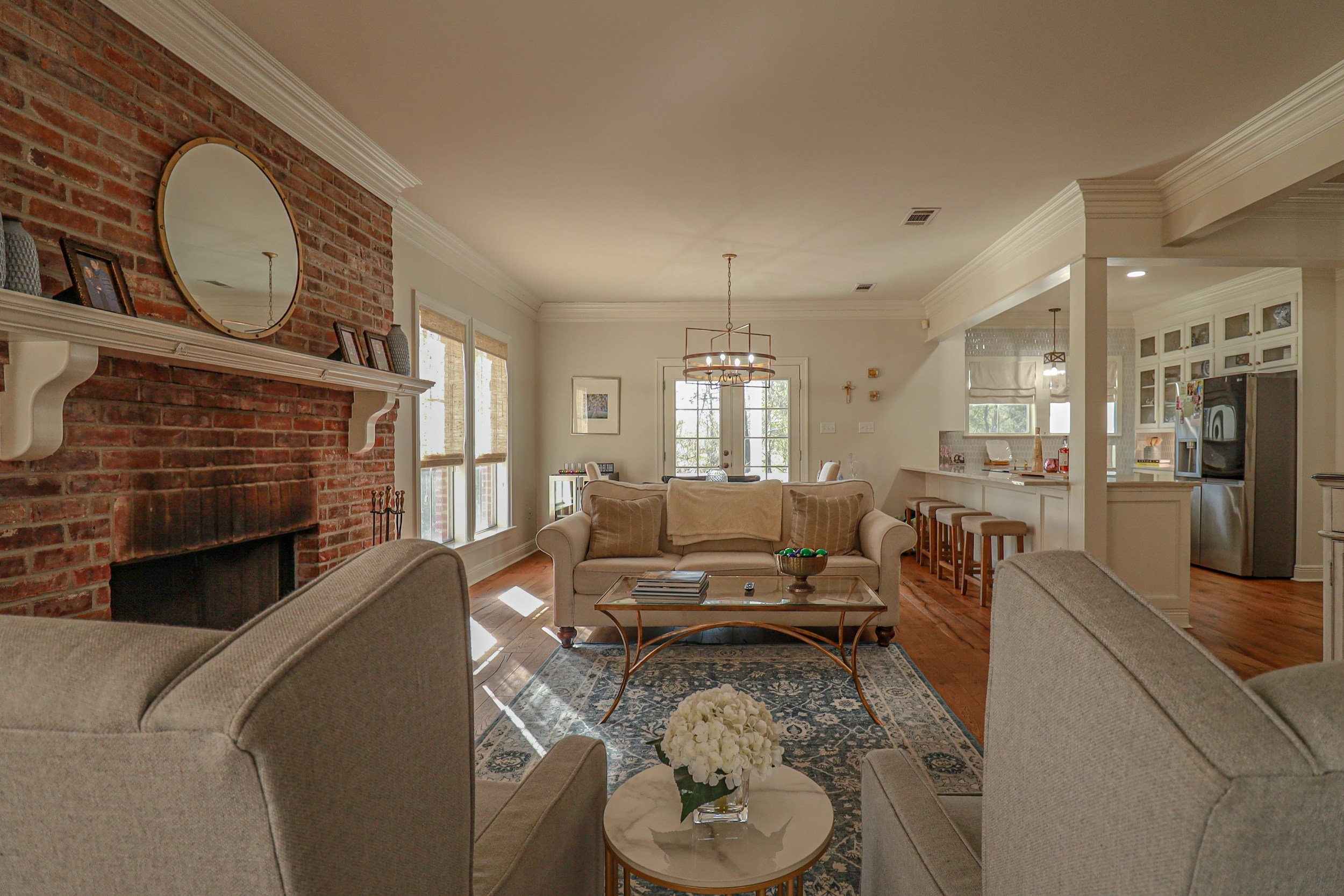
My starting point is a focused preparation plan, not an automatic renovation list. First address obvious maintenance concerns. Then consider how light, furniture placement and editing a room affect the way its proportions and function read in person and in photographs.
Larger improvements deserve a separate decision. Compare their cost, completion time and likely relevance to your target buyer with the option of pricing for the home’s present condition. A market-wide median cannot tell you whether replacing a kitchen is the right move.
Buyers should compare the whole proposition
For buyers, October’s activity is a reason to prepare, not a reason to rush. Have financing or proof of funds ready, understand your priorities and evaluate condition alongside price.
A home that needs work may offer room for negotiation, but the asking price alone will not reveal the cost or complexity of that work. Conversely, a polished home deserves scrutiny too: presentation should help you see the property clearly, not replace due diligence.
A strategy built around your home
The strongest selling plan connects three decisions: a price grounded in relevant competition, preparation that addresses the right issues, and presentation that makes the home’s strengths clear.
If you’re considering selling on the Main Line, let’s look at your property’s position before deciding what to change or when to launch.
Kathryn Blessington | Philly Proper
Visit phillyproper.com to discuss your home’s pricing and presentation strategy.
Sources: Bright MLS Residential Activity Report, Lower Merion school-district reporting population, October 2026, 50 closed listings across reported price bands; compiled November 13. Separate Bright MLS Market Statistics Report, Lower Merion Township, residential $500,000–$10 million filter; compiled November 12. These populations are distinct. Information deemed reliable but not guaranteed. Architectural images are AI-generated illustrations, not listings or client properties.